Lab tests, imaging and screenings — with answers you can actually read.
Blood work, urinalysis, imaging, allergy panels and genetic screening — with a plain-language report next to every result.
Overview
Two-thirds of chronic conditions in dogs and cats — kidney disease, thyroid, diabetes, early cancers — are catchable on routine bloodwork years before symptoms show up.
But most owners never see the actual report. They get a verbal 'all good' or a printout of numbers they can't decode. We fix that by pairing every result with a plain-language interpretation.
For pets that panic at the clinic, we offer home sample collection for most standard tests.
What you get with vet lab.
Complete blood count, biochemistry, thyroid, urinalysis and specialty panels under one roof.
A trained phlebotomist comes to you — less stress, better sample quality.
Every abnormal value is explained: what it means, what to do next, whether to worry.
Repeat tests plot against your pet's history so you see direction, not just numbers.
Screenings that catch things early — read to you in plain English.
Bloodwork, imaging, allergy and genetic panels performed by credentialled vet techs, with results paired to a written interpretation you can actually act on.
What's inside vet lab.
CBC, biochemistry, electrolytes, thyroid (T4/TSH), pancreatic and liver panels.
Full urine chemistry, sediment microscopy and culture — critical for kidney and UTI diagnosis.
Digital radiography at partner clinics, with radiologist read within 24 hours.
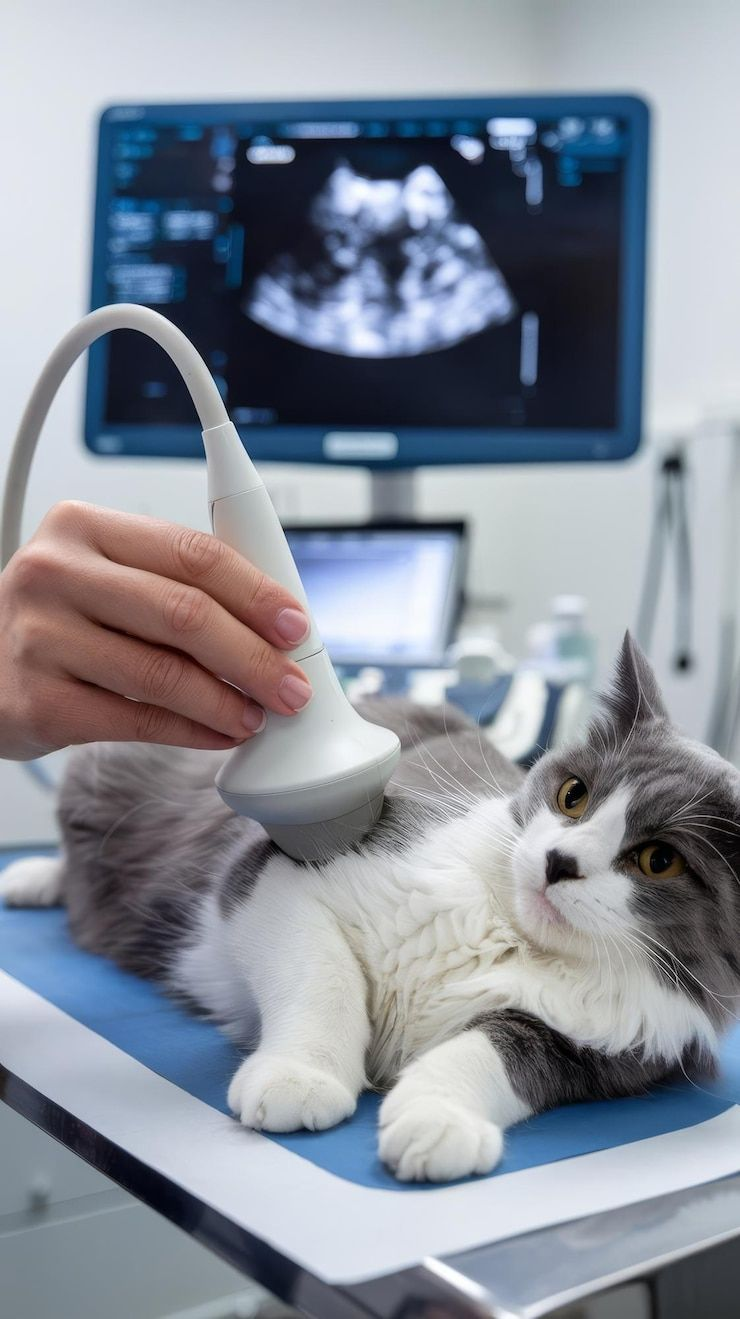
Abdominal and cardiac ultrasound by trained sonographers.
Serum IgE testing for food and environmental allergens — read alongside elimination-diet history.
DNA panels for breed-specific disease risk (e.g. MDR1, DM, PKD).
The process, no surprises.
Some tests need fasting or a first-morning urine sample — we'll tell you exactly what to do.
At home or at a partner clinic — same-day slots in supported cities.
Digital report plus a written interpretation and clear next-step recommendation.
Read before you book.
Reading your pet's blood test — a plain-language guide
What ALT, BUN, creatinine and hematocrit actually mean, with the ranges that matter for dogs vs cats.
How often should healthy pets get tested?
A senior dog needs bloodwork twice a year. A 3-year-old cat, once. Here's the age-based cadence.
Home sample collection — how quality is protected
Cold chain, tube type, transport time — why home collection can match lab quality when done right.
Questions we actually get asked.
Can't find your answer? Message us — a real human replies within a few hours.
Why owners stay with us.
Every partner lab is externally accredited and quality-audited.
Imaging is read by board-certified veterinary radiologists, not the technician.
Ranges are adjusted for species, breed, age and even reproductive status.
Book a test at home.
Pick a slot, we come to you. Report in your dashboard, explained line by line.
Book a lab test →